
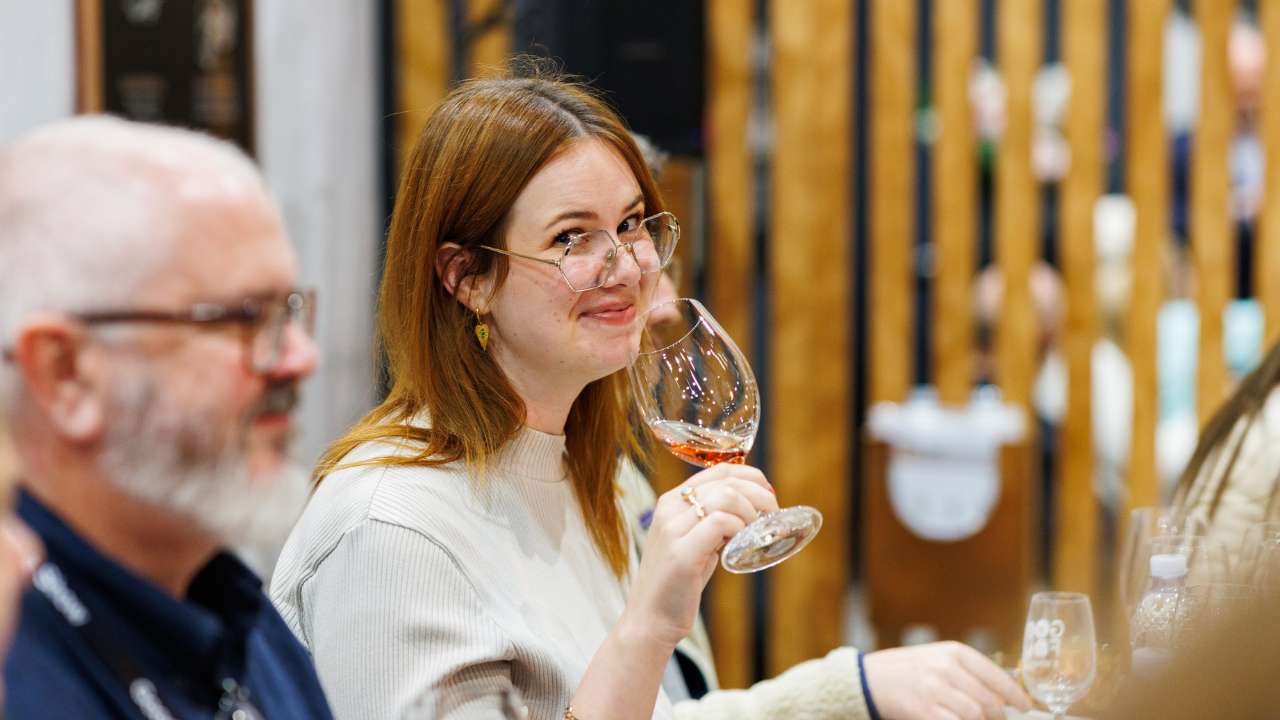
Wine tasting doesn’t have to feel formal or overwhelming. With a few simple techniques, anyone can learn to taste wine with confidence. To help you get started, our friends at Wine Selectors sat down with Wine Expert and Tasting Panellist Adam Walls to give you a few tips & tricks!
Set the scene for tasting
Your environment plays a bigger role than you might think! Choose a space with neutral lighting, minimal noise and no strong smells competing for attention. Avoid extremes of temperature too. Most wine professionals taste at room temperature to experience the wine’s full character.
Look at the wine
Before you taste, take a moment to observe what’s in your glass. Tilt it slightly against a white or neutral background and notice the colour, clarity and depth. Is it pale or deeply coloured? Clear or opaque? These visual clues can hint at the wine’s age, alcohol level, grape variety and even how it was made.
Smell the wine
Swirling the glass isn’t just for show, it releases the wine’s aromas. Start with a few quick sniffs to capture your first impressions, then take slower, deeper inhales. Rather than searching for specific fruits, think broadly at first: citrus, stone fruit, berries or spice. This makes the process far more approachable.
Taste the wine
Take a small sip and gently draw in a little air. Notice the initial taste, then how the flavours evolve, the texture, and how long they linger.
Ask yourself: is the wine sweet, salty, sour or bitter? How sharp is the acidity? Bright acidity can point to a cooler climate or earlier-picked grapes. Alcohol also affects texture, as higher levels can give the wine more body and a subtle sense of sweetness. If you’re tasting red wine, pay attention to tannins. Different grape varieties express tannins in very different ways. Finally, think about the finish: does the flavour fade quickly, or does it stay with you and invite another sip?
Discover your personal taste
As you taste, take notes. Was the wine balanced? Full-bodied or light? What flavours stood out? The more you practice, the easier it becomes to spot similarities and differences between varieties, and to understand what you truly enjoy (and what you don’t!).
Thanks to our friends at Wine Selectors for helping craft this blog. For more information, visit https://www.wineselectors.com.au/
2 Comments
Paul Philips
This is such a helpful breakdown! I’ve always felt a bit intimidated at tastings, but explaining it step by step makes it feel so much more approachable.
Tracy White
As someone new to wine, this makes tasting feel fun rather than overwhelming. More content like this please!
Comments are closed.